
When I was in undergrad studying exercise science, I took a course on training special populations. Like most students, I expected to learn how to help people improve—no matter their circumstances.
But what I was taught didn’t sit right with me.
The message was clear: when working with individuals who have limitations—especially the aging population—you should be cautious, protective, and conservative. The goal wasn’t necessarily to improve them in a meaningful way, but rather to manage their decline.
In other words, the expectation was that once someone reached a certain age, things would only go downhill. For a while, I followed that model. It’s what I was taught, and like most young professionals, I trusted the system.
But over time, I started to notice something that completely challenged that belief.
The Moment Everything Changed
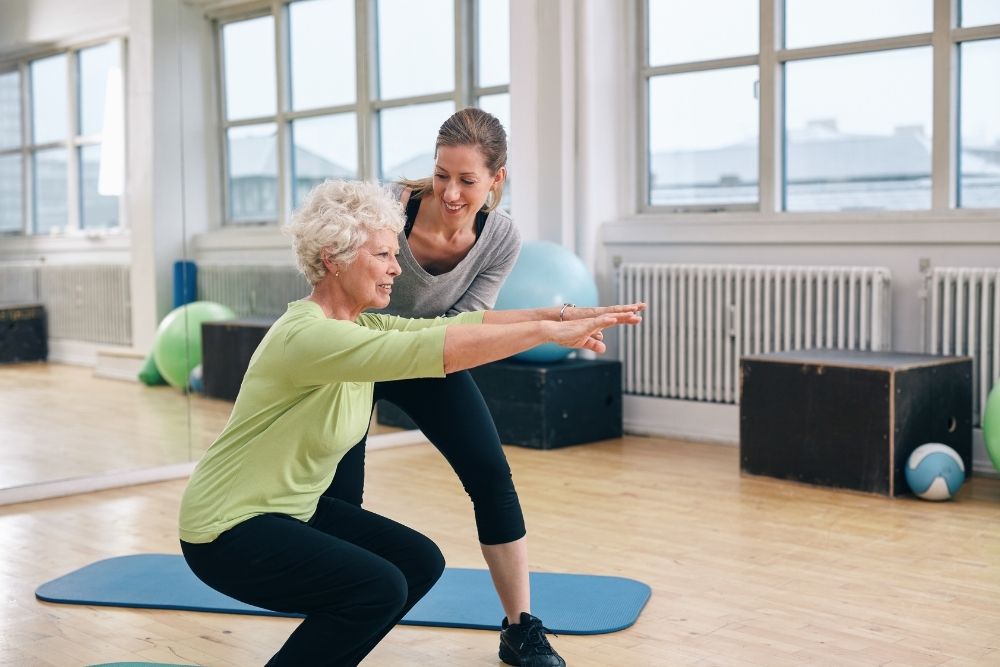
As I gained more experience and began working with older clients, I saw something that didn’t match what I had learned in school: They were getting better.
They weren’t just slightly improving; they were moving better, getting stronger, gaining confidence, and doing things they hadn’t done in years. In some cases, they were doing things they had never done before.
That’s when everything shifted for me. I realized that aging doesn’t automatically mean decline. It simply means adaptation—just like any other stage of life. From that point on, I stopped “managing” people and started training them.
Why “Life to Your Years” Matters More Than Ever
Today, I have younger professionals reaching out to me—not for themselves, but for their parents. They’re not just looking to add years to their parents’ lives; they’re trying to add life to their years.
They want their parents to:
- Play with their grandkids.
- Get up and down off the floor without struggle.
- Walk through places like Hershey Park without pain or exhaustion.
- Maintain their independence and confidence.
And the truth is, this is all possible. What’s stopping most people isn’t their age—it’s their belief about what aging is supposed to look like.
The Real Problem: We Stop Paying Attention
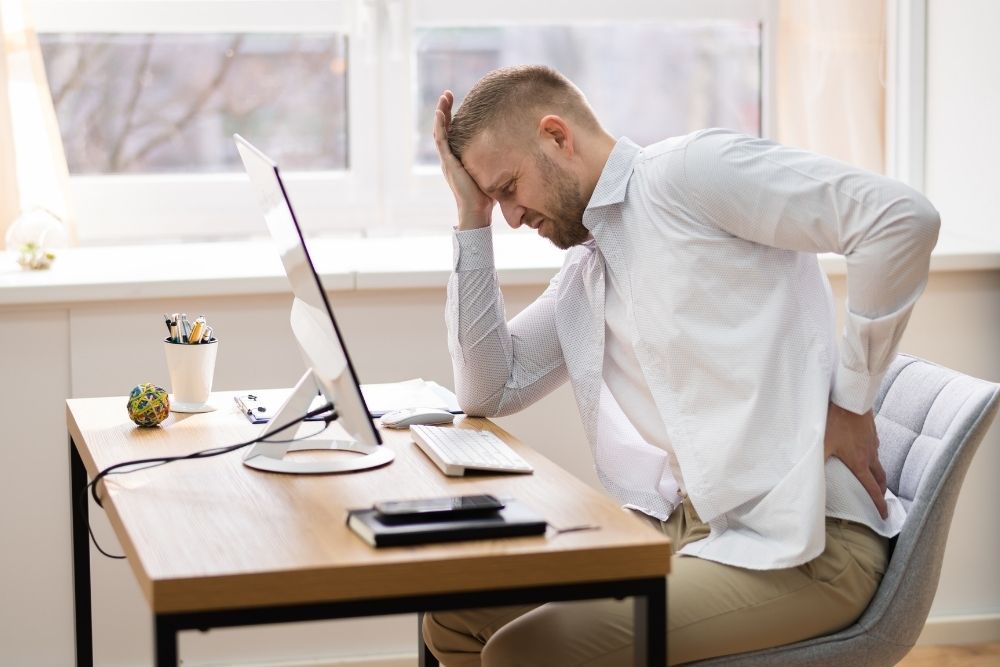
One of the biggest issues I see isn’t dramatic injury or disease—it’s gradual neglect. We sit more. We move less. We develop poor habits without even realizing it.
Something as simple as sitting poorly in a chair, letting our posture collapse, walking with misalignment, or moving too quickly without awareness can cause issues. Over time, these small things compound. The body adapts, but not in a healthy way. Movement becomes inefficient, pain starts to show up, and confidence drops. Eventually, people assume it’s just “because they’re getting older.”
But in many cases, it’s preventable.
Small Changes, Big Results
The solution isn’t extreme workouts or high-intensity training programs. In fact, most progress comes from small, consistent improvements:
- Better posture
- More mindful movement
- Controlled, intentional exercise
- Slight increases in activity
- Paying attention to how the body moves throughout the day
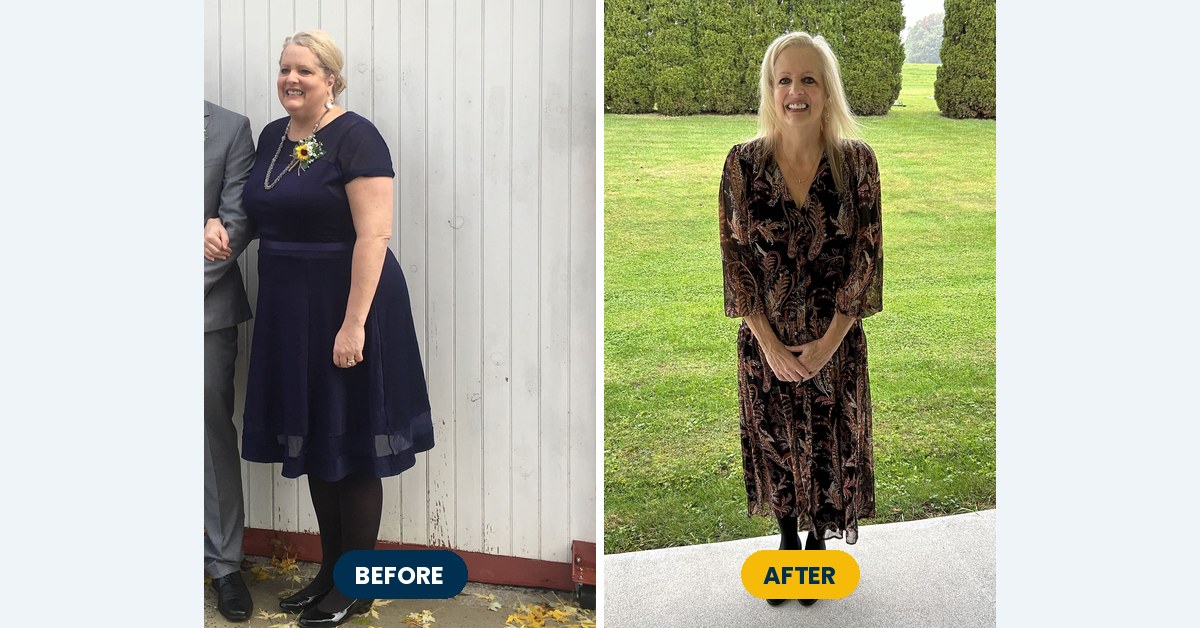
These are the real game-changers. I’ve worked with individuals in their 60s, 70s, and 80s who have completely transformed their quality of life—not by doing more, but by doing things better.
Health Is an Investment
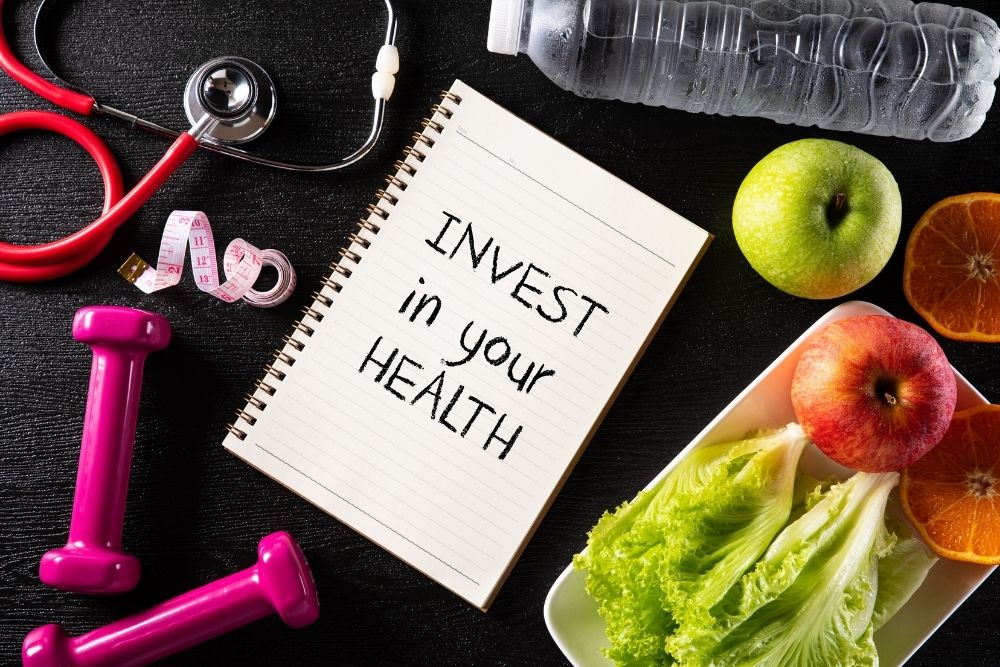
I often describe this process as “health investing.” Just like putting money into a bank account, every small positive action adds up over time. You build strength, mobility, confidence, and resilience.
The return on that investment is simple: less pain, more freedom, and more life. While the phrase “use it or lose it” is absolutely true, the opposite is just as powerful: Use it well, and you keep it.
What Aging Can Actually Look Like
Some of my most inspiring clients are in their 70s and 80s. They’re not sitting on the sidelines of life. They are moving confidently, staying active, avoiding unnecessary rehab, and engaging fully with their families during their retirement years.
And the best part? Most of them are only training with me for about an hour a week. The real transformation happens outside of that hour through daily awareness and small behavioral changes.
A New Way to Think About Aging
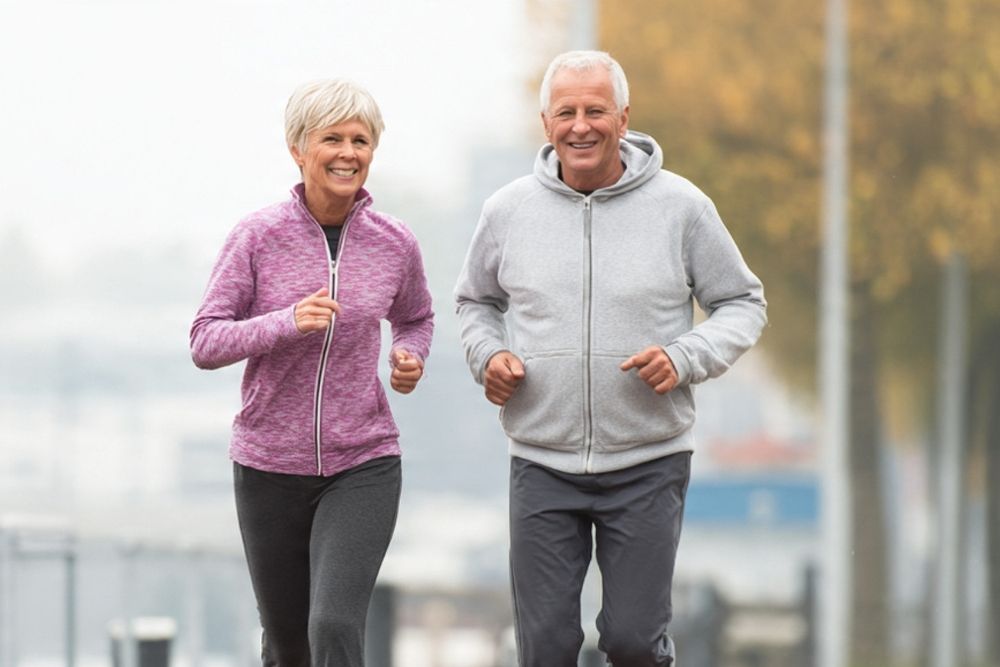
Aging isn’t something to fear or passively accept; it’s something to actively shape. When you stop thinking of it as an inevitable decline and start viewing it as a process of continuous adaptation, everything changes.
You don’t need extreme effort or perfection. You just need consistency, awareness, and a willingness to improve—no matter where you’re starting from.
If there’s one thing I strongly recommend, it’s this: Start making small, intentional changes now. According to the National Institute on Aging, staying active is one of the best ways to maintain independence as you age.
The sooner you invest in your health, the greater the return—discover more ways to protect your physical future by browsing our full collection of resources.