
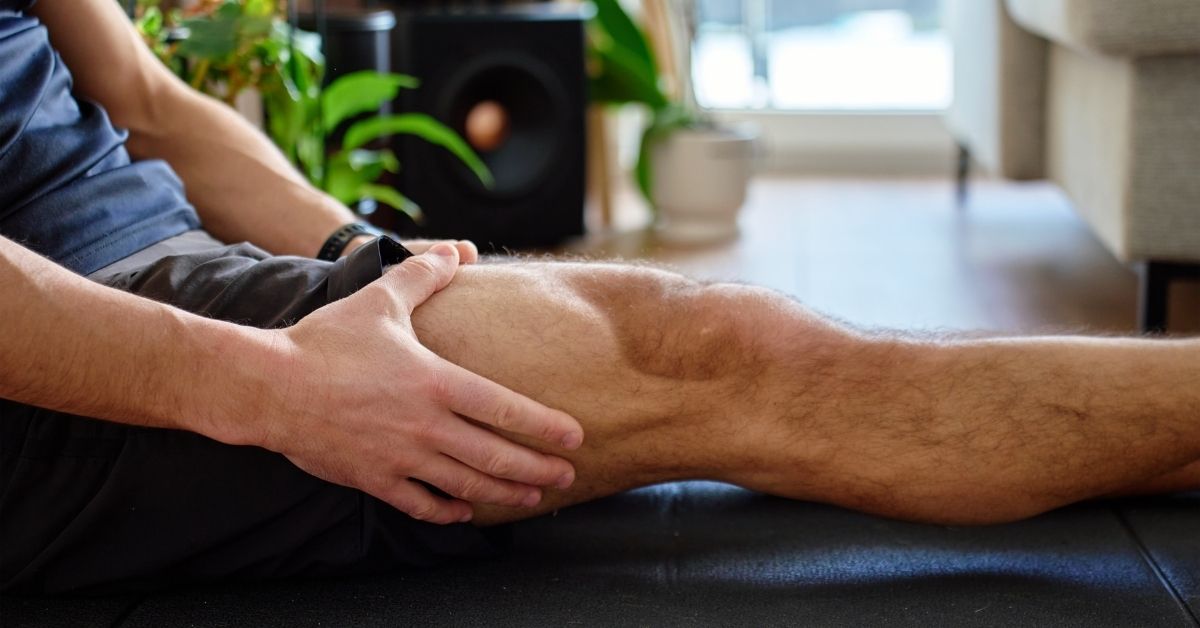
One of the biggest misconceptions in fitness is the idea that muscle soreness equals progress. Somewhere along the way, people started believing that if you’re not sore after a workout, it must not have been effective. In reality, soreness has very little to do with whether or not you had a productive training session.
That doesn’t mean soreness is useless—but it does mean it’s misunderstood.
Understanding Delayed Onset Muscle Soreness (DOMS)

When I work with someone, especially in the beginning, soreness becomes a tool—not a goal. I pay close attention to where they’re getting sore, when it shows up, and what type of soreness it actually is.
Most people don’t realize there are different kinds of physical feedback. Muscle soreness is very different from joint discomfort, inflammation, or irritation in tendons and ligaments. Early on, many people can’t tell the difference—but learning that distinction is critical. According to research on Delayed Onset Muscle Soreness (DOMS), soreness is simply a response to unfamiliar mechanical stress, not a requirement for muscle growth.
How Recovery Signals Individualize Your Training
Soreness, when interpreted correctly, gives insight into how someone’s body recovers.
- Delayed Recovery: If you are most sore two or three days after training, your recovery is lagging. We likely need to reduce intensity.
- Efficient Recovery: If you feel soreness shortly after a session but wake up feeling refreshed the next day, your recovery system is efficient—and we can push a bit more.
Recovery isn’t just about muscles—it reflects your entire system. Sleep quality, hydration, nutrition, and stress levels all dictate how quickly your body repairs itself.
The Risks of Chasing Muscle Soreness

The issue is that many people chase soreness as if it’s a badge of honor. But excessive soreness is often a sign of too much inflammation, poor recovery capacity, or overtraining.
Some of the best workouts I’ve ever coached didn’t leave people sore at all. We pushed hard, the work was effective, and the clients walked away feeling strong and energized. That’s what you should be aiming for.
Exercise Should Build You, Not Break You
There’s a mindset in fitness that says you need to “destroy yourself” to see results. I lived in that mindset for years. And it worked—until it didn’t. My body started to break down, and I realized that the approach has a ceiling. There’s no longevity in constantly beating yourself into the ground.
Training should not be punishment; it should be a celebration of what your body can do. A great workout should leave you feeling better than when you started—more energized, more capable, and more prepared for the next session.
The Real Goal: Longevity and Consistency
The goal isn’t soreness. The goal is progress, consistency, and longevity. When you shift your focus from “How sore am I?” to “How well am I recovering and performing?” everything changes. You train smarter, you feel better, and you build something that actually lasts.
Ready to take your training to the next level? If you found this helpful, explore our library of expert fitness tips and training guides here to help you reach your goals without the burnout.