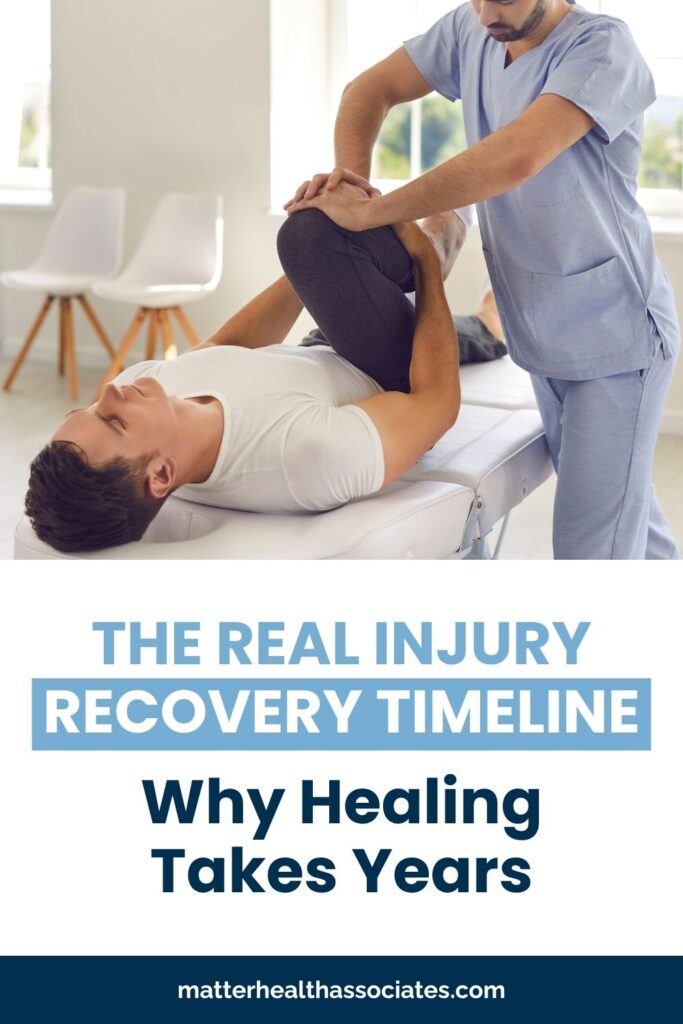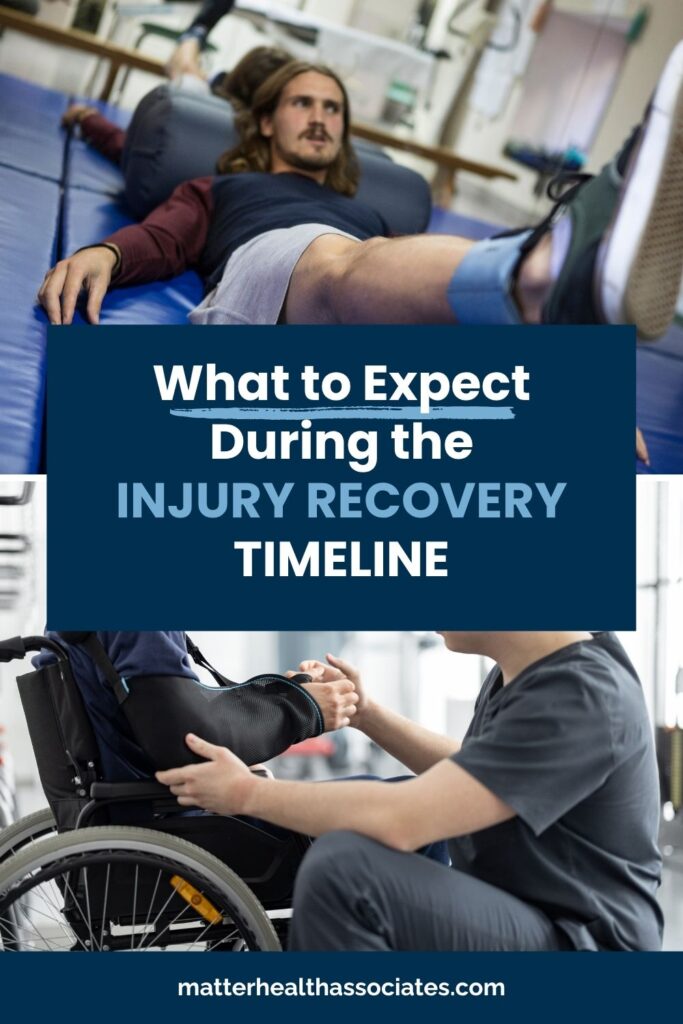
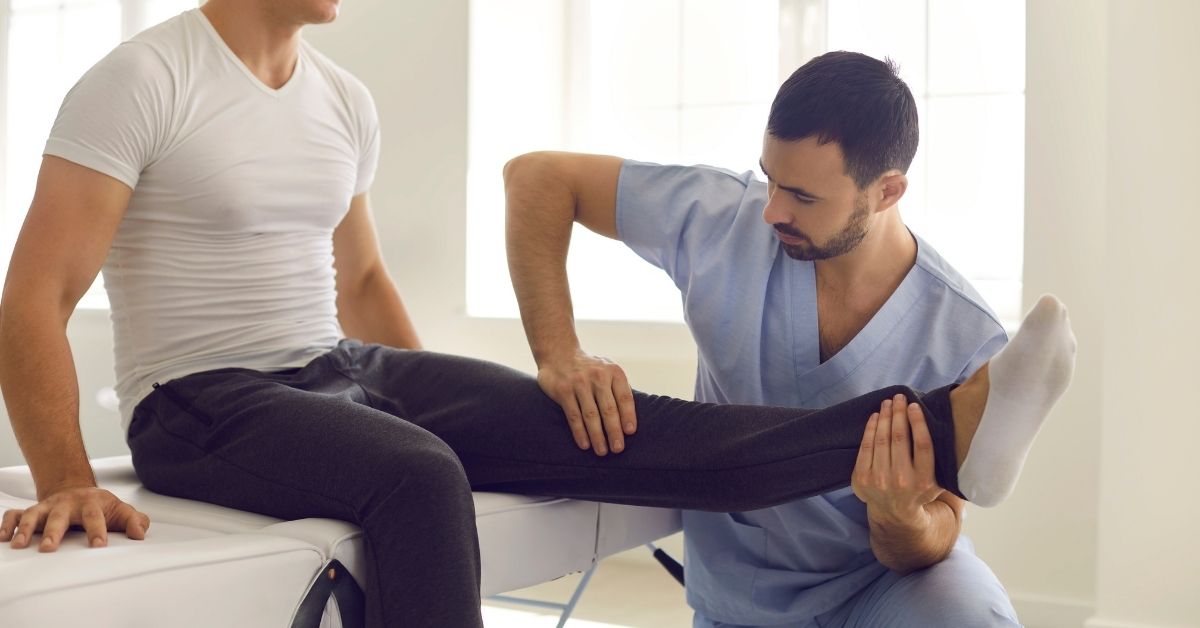
One of the first things I tell every client is this: I expect three years to achieve maximal results.
That surprises people, but after decades of working with thousands of individuals, I’ve learned something that many people don’t want to hear: Real injury recovery takes time.
It doesn’t matter whether you’re coming in with chronic pain, recovering from surgery, or you think nothing is wrong at all. The first year isn’t about pushing your body to its limits. It’s about understanding how your body moves.
I call it the corrective phase.
- It’s learning how to walk correctly.
- Learning how to stand correctly.
- Learning how to move efficiently.
- Learning where your body compensates.
Only after you understand movement can you truly build strength on top of it.
The Corrective Phase: Why the First Year is About Movement

One of the biggest mistakes people make is pretending an injury doesn’t exist. If something hurts, your job isn’t simply to push through it. Your job is to understand it.
Is the pain coming from:
- Damaged tissue?
- Poor movement mechanics?
- Weakness?
- Inflammation?
- Joint degeneration?
- Or is it a problem that’s compensating for something happening somewhere else?
Your care might involve conservative treatment, targeted strengthening, or surgery, such as a knee or hip replacement or a rotator cuff repair. Because every situation is unique, the right approach must be tailored to your individual needs.
The key is understanding what your body is capable of today while creating a plan for where it can go tomorrow.
Why You Can’t Ignore an Injury or Push Through Pain

We’ve created a culture that celebrates pushing through pain. I don’t.
If every workout leaves you inflamed, you’re constantly asking your body to recover from damage rather than adapt to training.
Instead of improving metabolism and function, you may simply be digging a deeper hole. Exercise should challenge the body—but challenge and pain are not the same thing. To better understand this distinction, check out our guide on why muscle soreness doesn’t equal a good workout.
The Real Injury Recovery Timeline: Beyond Physical Therapy
One of the biggest misconceptions in rehabilitation is that physical therapy equals complete recovery. Someone finishes six or twelve weeks of therapy and assumes they’re healed.
In reality, that often marks the beginning of the next phase.
- Scar tissue continues remodeling.
- Nerves continue relearning movement patterns.
- Muscles continue regaining strength.
- Connective tissues continue adapting.
- The brain continues rebuilding confidence in movement.
Recovery doesn’t end when therapy ends. For many surgeries, meaningful recovery takes at least a year. True restoration often takes two or three years. That’s not failure. That’s biology.
A Systematic Approach to Complex and Multiple Injuries
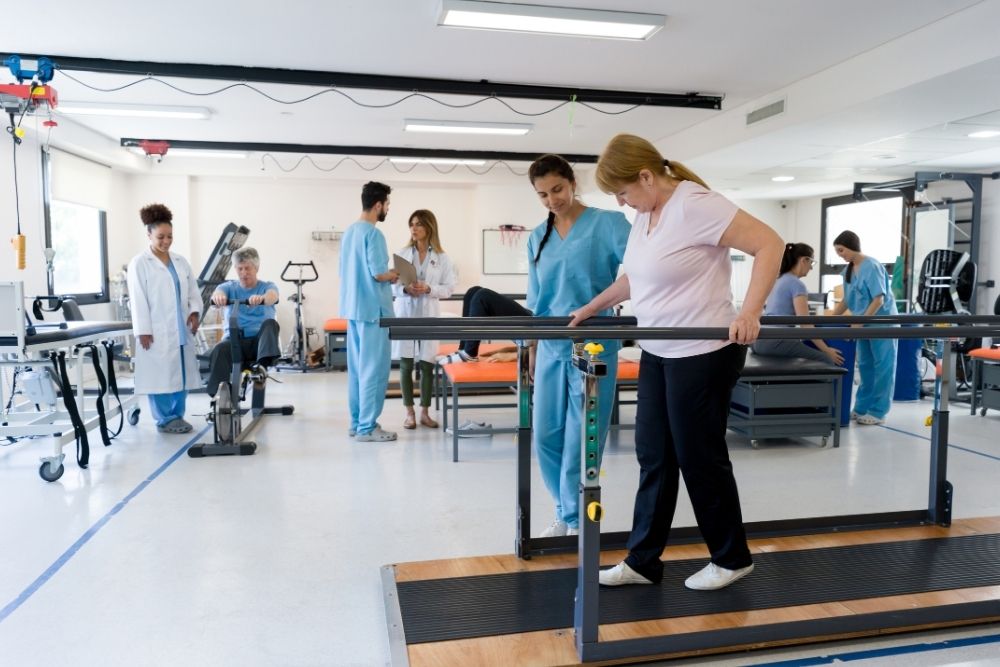
Many people don’t have just one injury. They have several. I’ve worked with clients who recovered from a rotator cuff surgery first, spent a year rebuilding strength, and then addressed a hernia. Others improved one joint before replacing another.
Depending on your specific needs, care might involve an orthopedic surgeon, a rheumatologist, or an endocrinologist. Often, the best path forward relies on multiple healthcare professionals working together.
Recovery isn’t always about fixing everything at once. Sometimes it’s about solving one problem well before moving to the next.
Healing is More Than Just Tissue Repair
Pain is incredibly complex. It’s influenced by:
- Inflammation
- Movement quality
- Strength
- Stress
- Sleep
- Nutrition
- Previous injuries
- Even confidence
Every injury you’ve accumulated throughout your life leaves some imprint on your body. The question becomes: Can we improve it through better movement and exercise, or is it time to seek additional medical intervention? Knowing the difference is one of the most important decisions in recovery.
Be Patient With Your Body
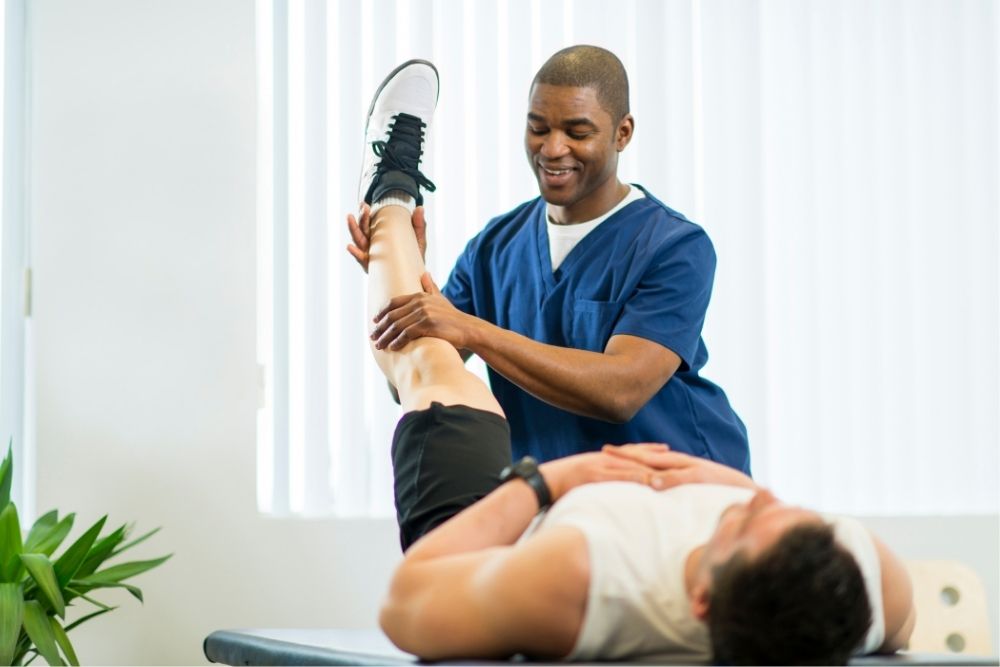
Whether you’re recovering from a knee replacement, shoulder surgery, chronic back pain, or even something as significant as a heart attack, your body needs time to reorganize itself.
Healing isn’t just about tissue. Instead, it focuses on restoring function, retraining the nervous system, and rebuilding confidence. Ultimately, the goal is teaching your body how to move efficiently again.
Those adaptations don’t happen in a few weeks. They often take months. Sometimes years.
My Philosophy
I never rush recovery. I’d rather spend the first year rebuilding a solid foundation than spend the next ten years trying to fix the consequences of skipping it.
That’s why I believe corrective exercise comes before performance. Movement comes before intensity. Healing comes before heavy lifting.
Because when you respect the recovery process instead of rushing it, you don’t just recover from an injury—you give yourself the best chance to build a stronger body than the one you had before.