
Getting kids and teens into fitness is one of the topics I’m most passionate about.
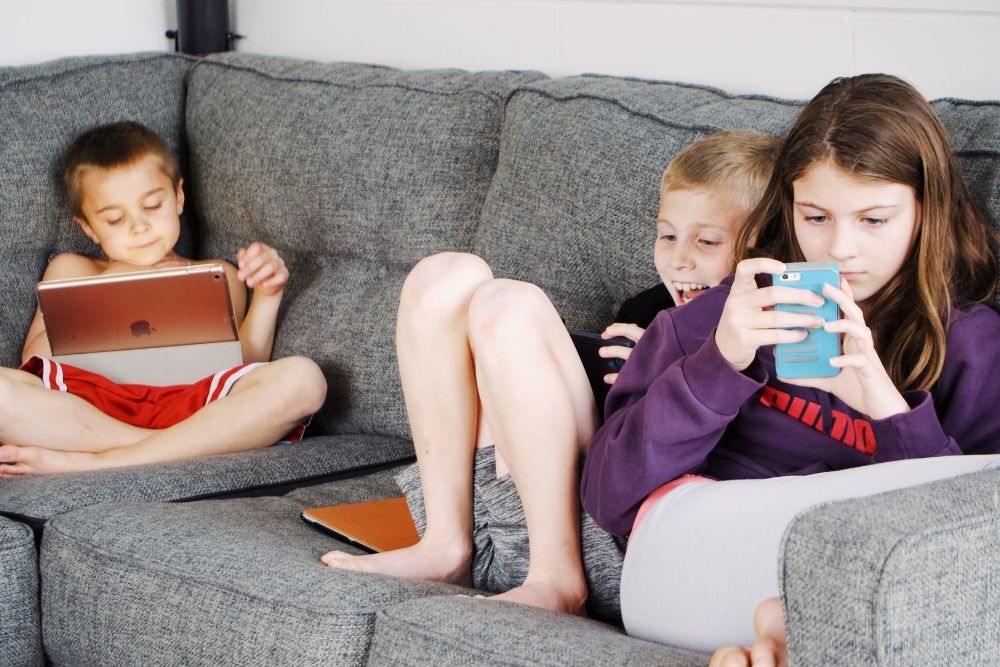
Today, you constantly hear people say, “Kids don’t want to work out anymore. They just want to sit on their phones.”
I don’t believe that’s the whole story.
If we were raised in the same environment they’re growing up in today—with the same technology, schedules, school demands, and distractions—we probably would have made many of the same choices.
The reality is much more complex.
Teen health and obesity are influenced by many factors:
- Parenting
- Scheduling
- School structure
- Technology
- Reduced opportunities for physical activity
- Changes in daily lifestyles
There isn’t one simple reason.
Kids Aren’t Lazy—They’re Different
The kids and teenagers I work with prove this every day.
They work hard, striving constantly to improve and accomplish great things.
The difference is that many of them have never been exposed to a consistent level of fitness, movement, and physical challenge. That doesn’t mean they don’t have the ability. It means they need the right environment.
And fitness doesn’t always have to mean extreme workouts.
If I’m working with someone preparing for the military, an athlete, or a professional competitor, the approach is different. Those individuals have specific goals, and pushing beyond their comfort zone is part of the process.
But for a teenager simply trying to become healthier? The approach is very similar to how I work with someone in their 60s or 70s. It starts with understanding wellness.
Fitness Should Be Part of Life, Not a Punishment
I’ve always believed physical education in schools should evolve. Just like we teach kids personal finance so they can manage money, we should teach them personal wellness so they understand how to manage their bodies.
Fitness education shouldn’t just be about running laps, doing push-ups, or measuring athletic ability. It should teach kids:
- How to walk
- How to move
- How to maintain posture
- How to take care of their bodies
- How to enjoy being active
Sometimes the biggest fitness win for a child is simply learning to go for a walk, proving that kids’ and teens’ fitness does not need to be extreme to be valuable.
The Importance of Making Fitness Fun
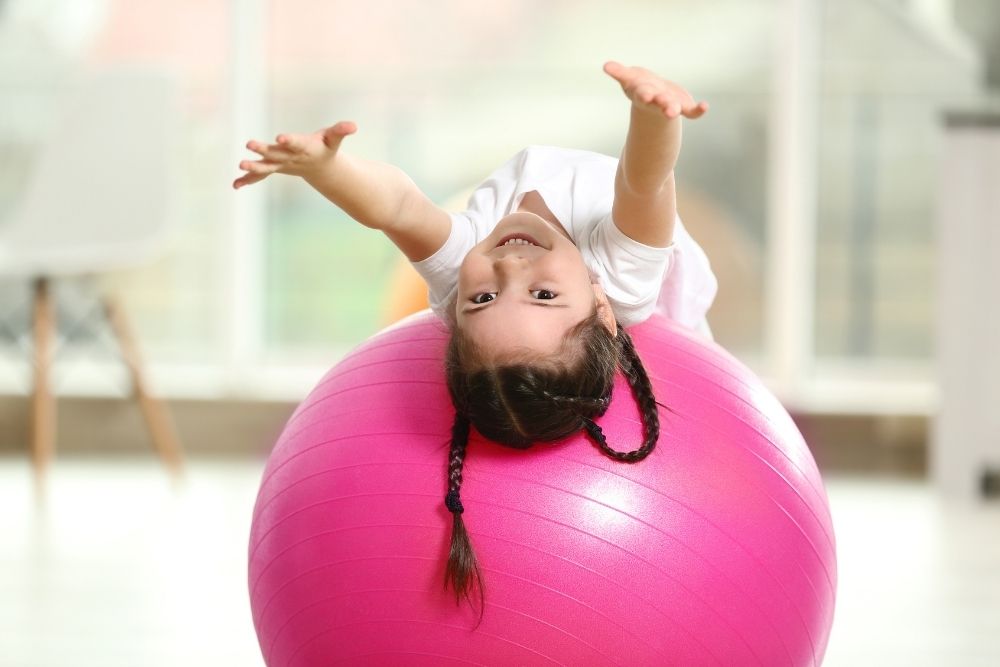
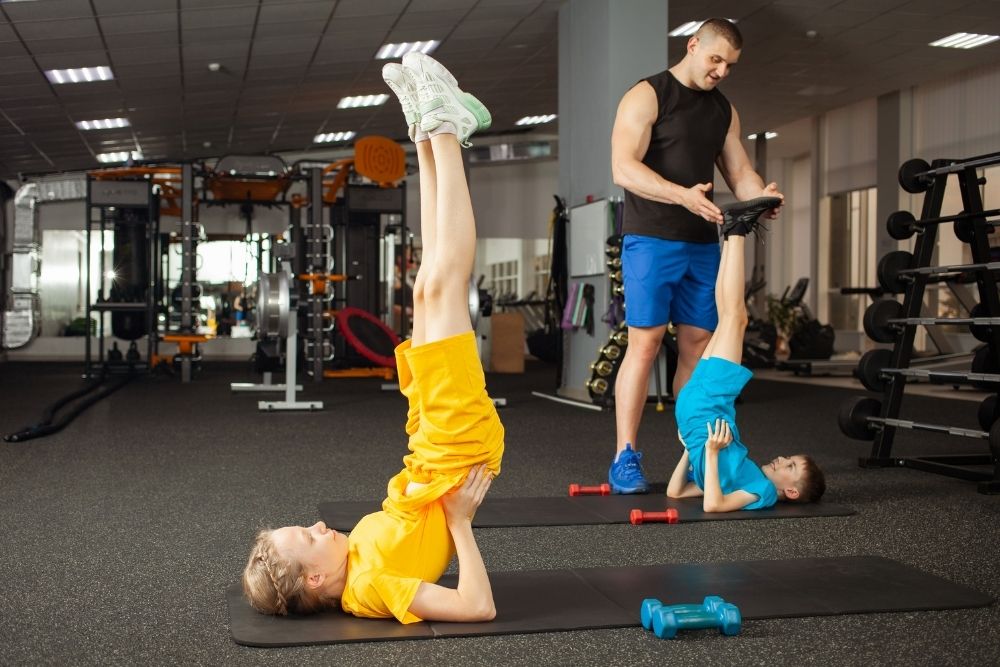
One of my favorite things to do with kids is spend 15 minutes focusing on something technical, such as posture, movement mechanics, or fixing a weakness, before letting the rest of the session become purely fun.
I’ll never forget one of my first young female clients. She had significant knee problems and had already seen multiple orthopedic specialists and physical therapists. When she first came to me, she looked at exercise like it was just another appointment she had to attend, constantly glancing at my gymnastics rings.
I made a deal with her.
I told her, “Give me 15 minutes to work on what I need to work on so your mom gets her money’s worth. After that, we’ll spend the rest of the time going upside down and playing on the rings.”
That changed everything. She started enjoying movement, participating actively, and making incredible progress. Why? Because she was having fun. Exercise should always have an element of play.
Fitness Is Supposed to Be a Discovery
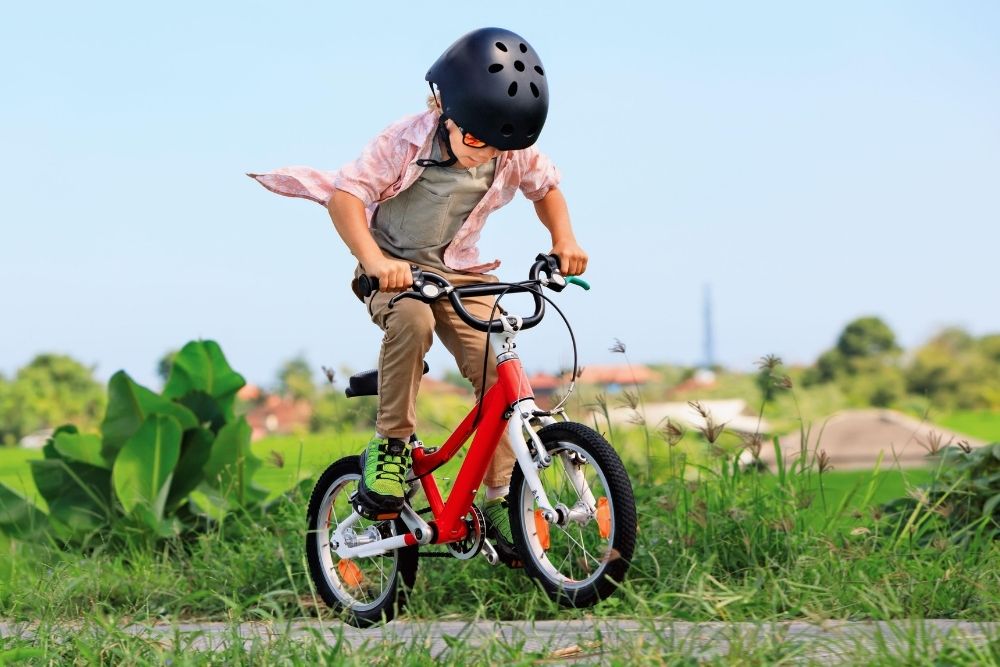
When I was a kid, I rode my bike to the pool—about five miles away. I never thought of it as exercise. It was just what I did. That was my transportation.
Today, many of those natural movements have disappeared. Kids don’t always mow lawns or shovel snow as often. Technology has replaced many activities that used to naturally keep us moving. We have snowblowers, advanced equipment, and ultimate convenience.
While those things make life easier, they also remove movement we never realized was important. So now, we have to intentionally create opportunities for activity.
Every Kid Has Their Own Path
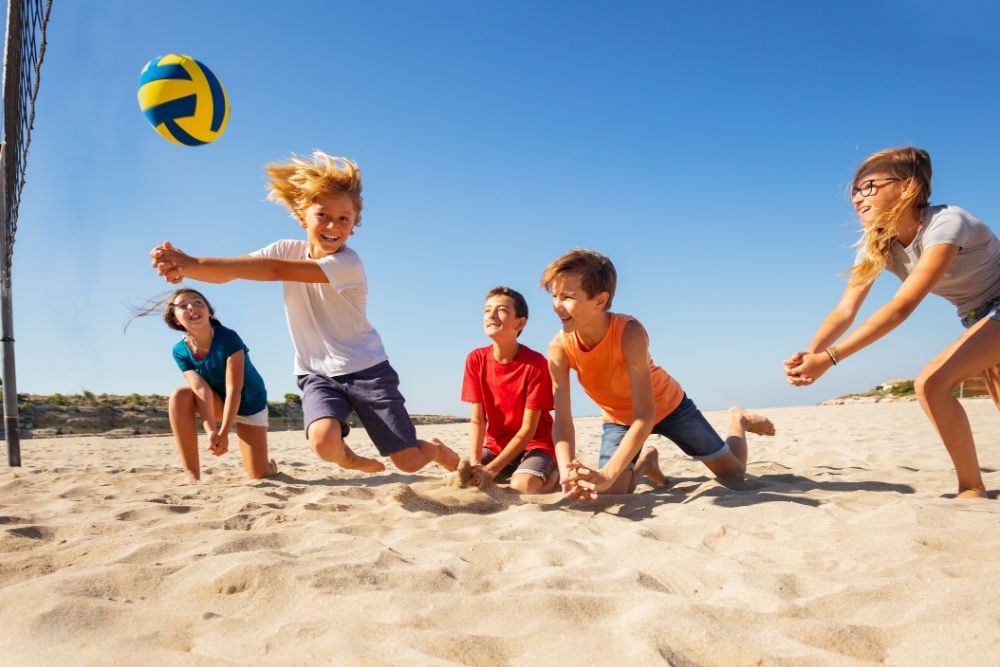
The biggest mistake we can make is assuming every kid needs to love the same thing. They don’t. Kids’ and teens’ fitness can look entirely different for everyone:
- Kayaking
- Fishing
- Hunting
- Volleyball
- Climbing
- Dancing
- Simply having the strength and posture to enjoy a favorite hobby
I even had a young man who wanted to become a diesel mechanic. His parents brought him to train, and at first, he wondered why he was there. Then he realized something: being stronger helped him get down on the ground, work around vehicles, and change tires more easily.
Fitness became valuable because it connected to something he genuinely cared about.
You Have to Show Kids Why It Matters
Kids don’t need another lecture about exercise. They need to understand how fitness improves their everyday life. They need to see how strength, mobility, and health allow them to do more of what they love.
If exercise feels like punishment, they won’t stay with it. If exercise feels like progress, play, and empowerment, everything changes.
My goal isn’t to make every kid an athlete. My goal is to help every kid understand their bodies, enjoy movement, and build habits that help them live a better life.
Because fitness isn’t supposed to take away from life, it’s supposed to help you experience more of it.