

One of the biggest misconceptions about me is that I “hate” GLP-1 medications. That couldn’t be further from the truth.
After spending decades in this field and helping thousands of people, I can confidently say one thing: there is no one-size-fits-all approach to health.
Every person has a different story, a different metabolism, a different medical history, different goals, different genetics, and different challenges. Because of that, no medication, exercise program, or nutrition plan works perfectly for everyone.
GLP-1 medications are no different.
Do I think they’re the greatest medical breakthrough of all time? No.
Do I think they’re terrible for everyone? Absolutely not.
Like every medication ever created, they help some people, they don’t help others, and some people experience unwanted side effects. That’s reality.
I believe GLP-1s have been an important advancement in diabetes management, and for some individuals struggling with obesity, they’ve created meaningful improvements in health and quality of life. Those benefits shouldn’t be dismissed.
At the same time, we also have to acknowledge reality: we don’t yet have 50- or 100-year data on these medications. Time ultimately tells the complete story. For more details on building a strong foundation, check out our guide on sustainable fitness.
My Perspective Started Long Before GLP-1s

During my internship at Mercy Medical Center, I worked extensively with gastric bypass patients.
At the time, bariatric surgery was viewed as one of the ultimate answers to obesity.
I remember discussing this with one of the surgeons. My point was simple:
Restricting food intake causes weight loss initially, but the body is remarkably adaptive. As metabolism adjusts and homeostasis is reestablished, body composition still depends on lifestyle, nutrition, muscle mass, and energy balance—not simply stomach size.
That conversation shaped how I’ve viewed weight loss ever since.
Think of Metabolism Like a Fire

I’ve always explained metabolism as a fire.
Feed it quality wood, and it burns hot and efficiently.
Feed it poor-quality wood, and it still burns—but inconsistently.
Stop feeding it altogether, and eventually the fire burns lower.
Your body works much the same way.
Food isn’t simply calories. Food is fuel.
If there’s one concern I have with GLP-1 medications, it’s not necessarily the medication itself—it’s when calorie intake becomes so low that the body simply doesn’t have enough fuel to perform, recover, and maintain muscle.
Why Resistance Training Matters Even More
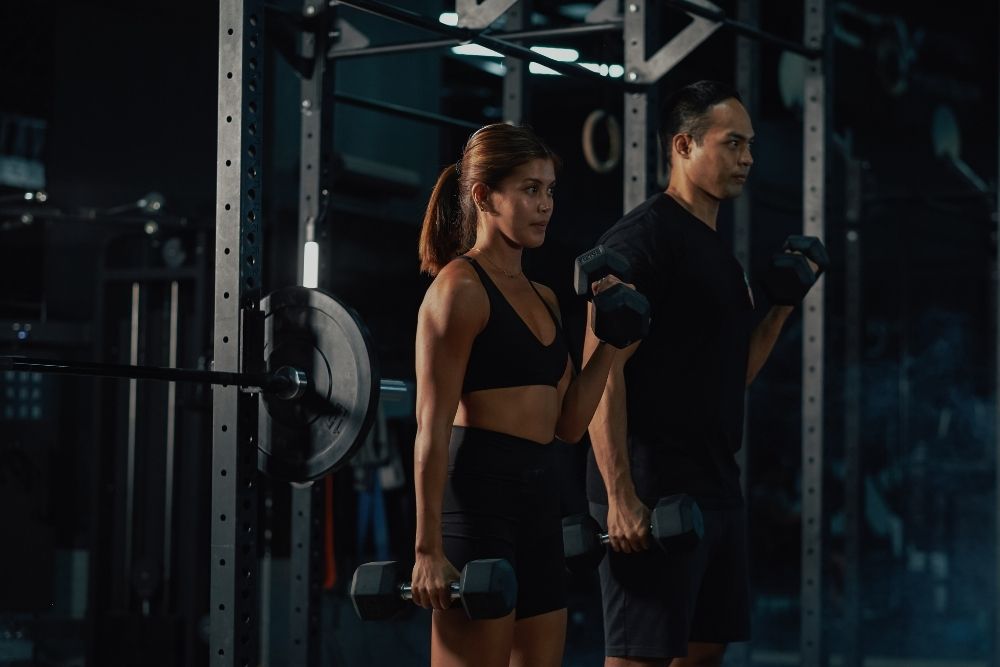
Resistance training becomes incredibly important during weight loss because preserving muscle counters the natural loss of lean tissue—the primary determinant of energy requirements—that drives metabolic decline.
Muscle is one of your greatest metabolic assets.
The goal shouldn’t simply be losing weight. The goal should be preserving—or even building—as much lean muscle as possible while reducing body fat.
The challenge is that muscle requires fuel.
If someone is taking a GLP-1 medication, barely eating, and then trying to train at a high level, they’re often asking their body to perform without enough energy available.
I’ve seen this before.
Many gastric bypass patients weren’t eating enough to support even moderate exercise. Some became exhausted simply trying to complete workouts because nearly every calorie they consumed was being used just to function throughout the day.
The same principle can apply with GLP-1 medications. Too little fuel eventually becomes a limiting factor.
Nutrition Still Matters on GLP-1s
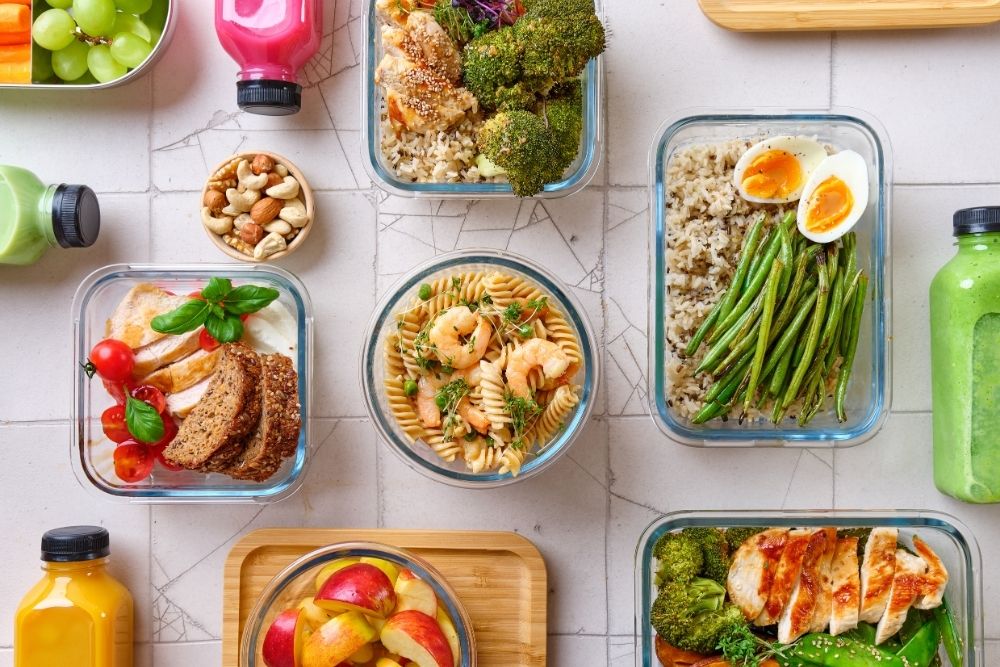
GLP-1 medications suppress appetite. They don’t replace nutrition.
When you’re eating less food, every bite becomes more valuable:
- Protein becomes more important to protect lean tissue.
- Micronutrients become more important for overall cellular function.
- Food quality becomes more important to sustain energy levels.
This is where resistance training and intelligent nutrition have to work together. You have to get the maximum benefit from every calorie you consume.
The Bottom Line: GLP-1s Are Just One Tool
I have clients who take GLP-1 medications. Some have done extremely well. Others have struggled. Some may need them long term, while others may eventually transition off them.
There isn’t one correct answer for everyone.
My ultimate goal is always to help someone build a body that functions well through quality nutrition, intelligent resistance training, and sustainable habits.
GLP-1s aren’t magic. They don’t replace exercise. They don’t replace muscle. They don’t replace healthy eating.
They’re simply one tool. Like any tool, their effectiveness depends on how they’re used, which is why successfully combining GLP-1s and resistance training is so critical for long-term success.
At the end of the day, optimal health still comes back to the fundamentals: eating foods that nourish your body, preserving lean muscle through resistance training, and finding an approach that’s realistic enough to sustain for the rest of your life.