

Being in the health and fitness field as long as I have, one of the most common questions I get is: “What’s the best protein to take?” Honestly, it’s a difficult question to answer. I wrote my master’s thesis on protein synthesis, which fascinated me because it dives into transcription and translation—essentially, how our bodies read genetic instructions to process amino acids, the building blocks of protein.
In simpler terms, every protein chain is unique, and each person’s body responds differently. During my bodybuilding career, I was a big fan of Isopure, a whey isolate protein that is triple-filtered. Protein powder formulations have certainly evolved since then, with improved flavors and marketing, but the fundamentals remain the same.
The Supplement Trap: Why Whole Foods Must Come First
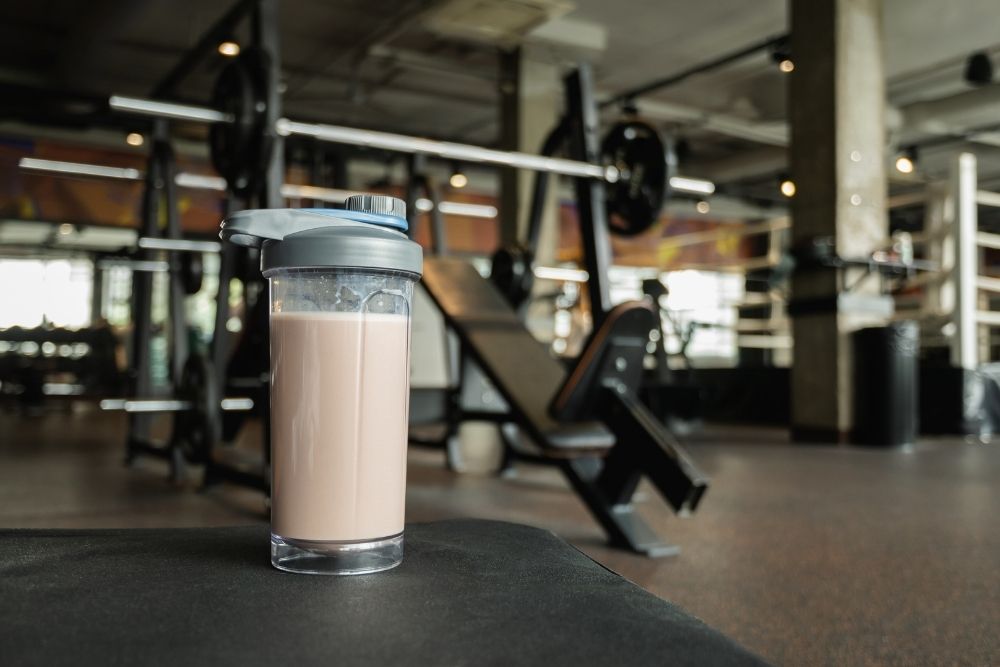
I only ever recommend protein powder when you can’t get protein from whole foods. Think about it—protein powder undergoes a lot of processing before it reaches its powdered form. Naturally, protein is meant to be chewed, broken down in the digestive system, and absorbed into the bloodstream. It’s not as simple as mixing a powder into a shake and expecting your body to function optimally.
Protein powder should truly be a supplement—used when needed, such as when you miss a meal or need variety beyond chicken, fish, or eggs. It should not be the foundation of your diet. One major issue in American culture is the lack of dietary diversity. Protein from different sources—plants or animals—is processed differently in the body. Protein from chickpeas is not equivalent to protein from tuna, just as not all carbs or fats are created equal.
Diversity and Peak Performance
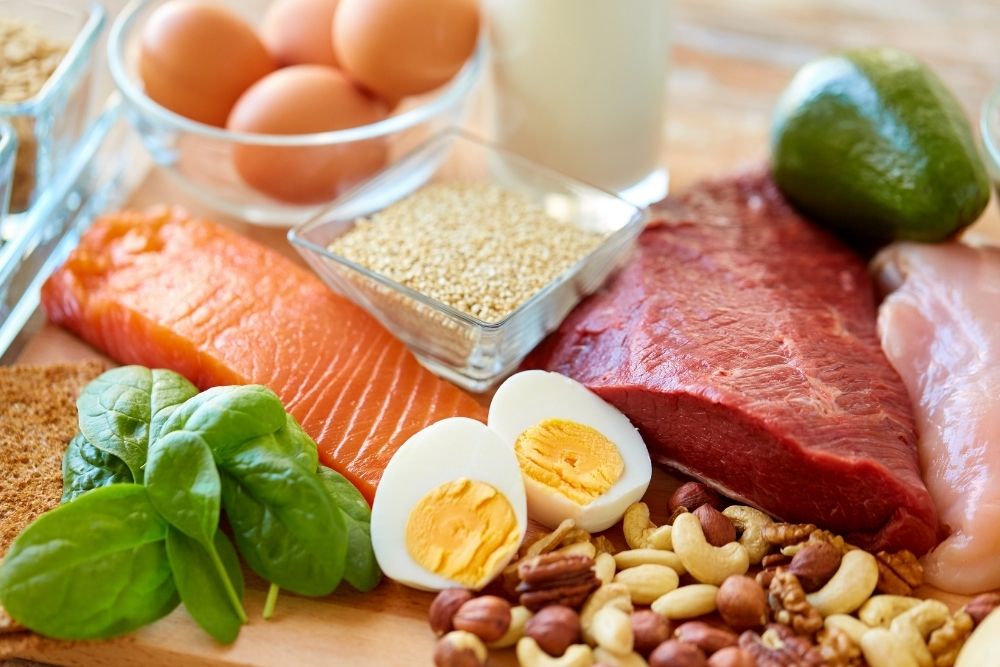
Throughout my bodybuilding career, I prioritized a diverse diet. For example, on different days I might have halibut and venison for breakfast, turkey meatballs with trout the next, or even ostrich eggs and catfish. By listening to my body, I could adjust my protein intake based on my specific needs, which often outperformed a rigid, purely scientific approach.
Relying too heavily on protein powder—say, 70% of your protein coming from powder—doesn’t provide the same results as consuming whole foods. I noticed my body performed better, was denser, and more resilient when my protein came from real, varied sources like elk, pheasant, or other whole foods. That said, protein powder does have its place; they’re convenient, and adding them occasionally to a smoothie can be helpful.
A Holistic Approach to Nutrition

In summary:
- Prioritize whole foods first, both animal and plant proteins.
- Use protein powders as a supplement when needed, not as a replacement.
- Whey protein isolates are among the most effective powders, but diversity in protein sources is more important than the brand of powder.
- Listen to your body and experiment with different proteins—it’s what helped me reach peak performance.
- Protein was always meant to be eaten. Protein powder is a tool, not a necessity.
Ultimately, true progress is not about finding a temporary shortcut, but about mastering the fundamentals of your own biology to build a foundation of strength that lasts a lifetime. If you want to achieve lasting transformation and feel stronger without relying on protein powder, try out the holistic approach offered by the Matter Health Associates App.