
I’m always amazed at how trends in health and fitness cycle in and out, returning in new shapes and forms. I haven’t heard the word “creatine” used much since the 1990s—the Mark McGwire era—when anabolic steroids were rampant and creatine was often blamed for unnatural strength gains. Interestingly, recent studies have highlighted creatine’s potential benefits beyond muscle, particularly in women and brain health.
However, before diving into that, it is important to understand what creatine actually is. Without getting too deep into the science, it is a key part of energy production and muscle function. Simply put, having more stores can support greater longevity in muscle performance.
Understanding Body Types and Side Effects

An essential point is that everyone’s body is different, and levels vary based on body type. For example, a mesomorph and an endomorph will respond differently to supplementation. Have I ever taken creatine? Yes. Do I think it works? Also yes. But do I think it is worth it in the long run? Not really.
For me, it has consistently increased strength and power, but often comes with side effects—water retention, bloating, gas, and increased appetite. These effects are expected, but they are not always desirable. While modern formulations and improved absorption might deliver better results than in the past, the bigger question remains: how meaningful are these gains in the grand scheme of training?
Sustainability Over Temporary Gains
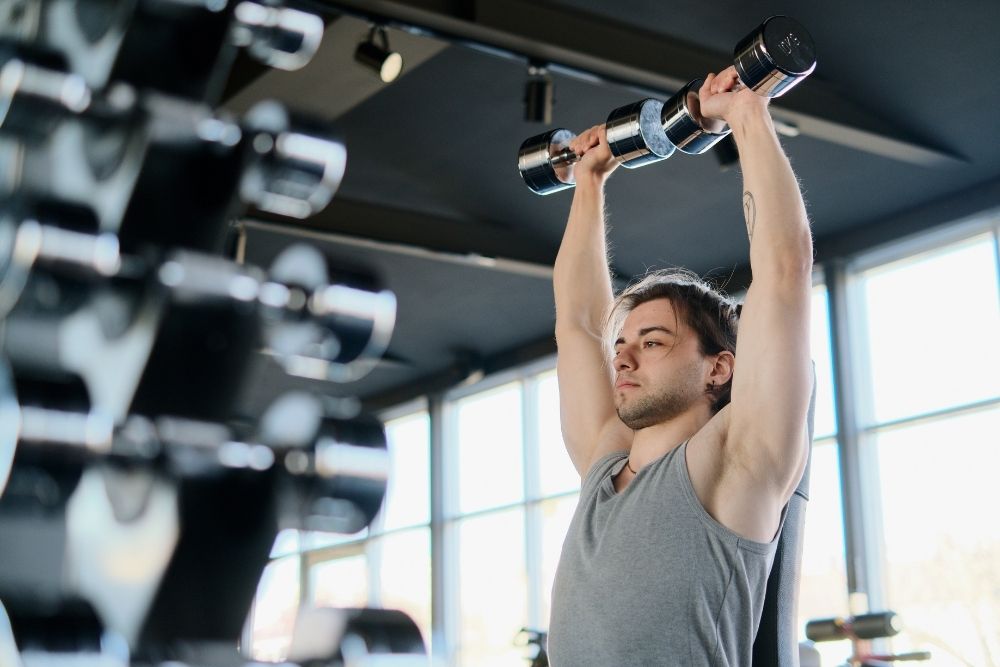
Imagine you bench 135 pounds. With inconsistent training and diet, you might struggle to progress. If you take creatine, maybe you push to 165, 175, or even 185 pounds—but eventually, you plateau. If you stop taking it, those gains largely disappear. Your baseline strength hasn’t really changed; the supplement just temporarily amplified your output.
I prefer steady, sustainable progress: starting at 135 pounds and gradually increasing to 145, then 155, and continuing upward without relying on a supplement. This strategy ensures that gains are consistent and not dependent on external aid.
Focusing on the Fundamentals
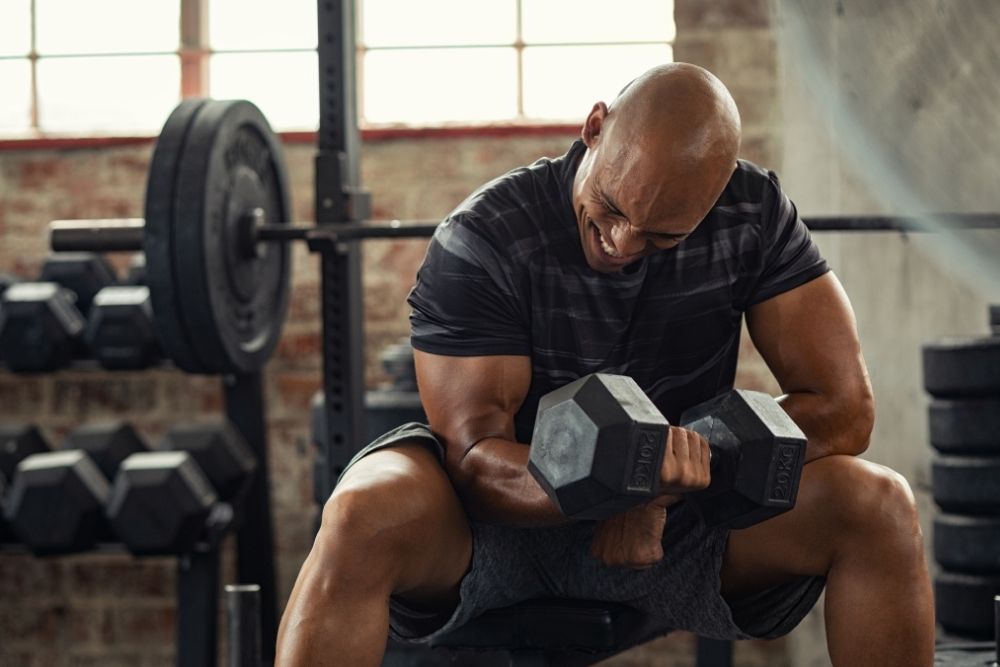
Creatine is most effective for anaerobic performance, like weightlifting or sprinting, rather than cardiovascular endurance. While research on brain health is still emerging, its benefits there remain somewhat unclear. Generally, it is not harmful if taken responsibly, but it may not be necessary for everyone.
My philosophy has always been simple: focus on the fundamentals. Train properly, eat adequate protein and carbohydrates, manage stress, and your body will respond. Personally, at 42, I feel stronger and healthier than I did at 20—without relying on creatine. For me, it was a tool that sometimes threw me off track when I sought quick fixes rather than consistent, sustainable results.
Ultimately, true progress is not about finding a temporary shortcut, but about mastering the fundamentals of your own biology to build a foundation of strength that lasts a lifetime. If you want to achieve lasting transformation and feel stronger without relying on Creatine, try out the holistic approach offered by the Matter Health Associates App.