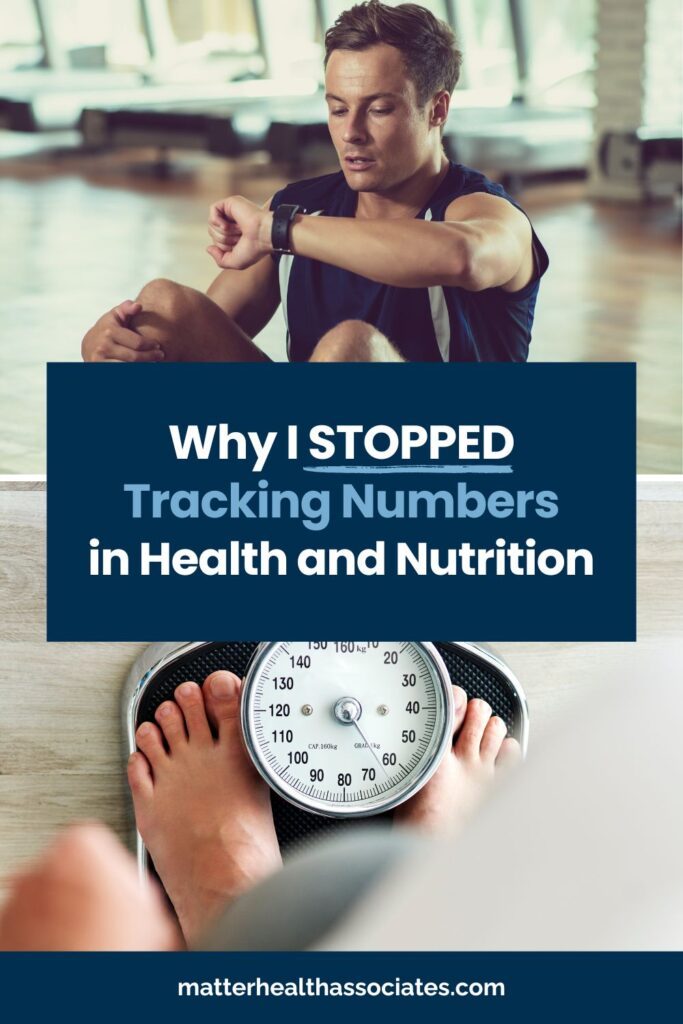
Coming from a university background, I was early to adopt software that calculated everything from macronutrients down to the finest micronutrients. As a budding scientist, I believed numbers were the ultimate proof of progress. While they provide a solid foundation of understanding, I quickly learned that in health and nutrition, the math doesn’t always reflect reality.
I vividly remember my first bodybuilding show. I was meticulously calculating ratios of carbs, protein, and fats, while diving deep into minerals like magnesium and potassium. These metrics were an excellent educational tool, but eventually, it clicked: numbers cannot replace instinct, intuition, and real-world results.
The Quality Over Quantity Mindset

One thing that surprises people when they train with me is that I never record sets or reps. I’ve never counted a single rep in my life—it is a distraction from what truly matters. Someone might tell me they did a thousand sit-ups, but I can demonstrate two perfect repetitions that leave them more sore the next day.
True health and nutrition progress comes from quality over quantity. While sets and reps are a baseline, real evolution requires focusing on subtle measurements: heart rate variability, time under tension, posture, and structural changes.
Why Even “Gold Standard” Metrics are Estimates
I’ll never forget my first experience with hydrodensometry, or underwater weighing. At the time, I thought this “gold standard” would provide a perfect body fat percentage. Even today, with advanced tools like Bod Pods and DEXA scans, we are still dealing with approximations.
The World Health Organization notes that health is a state of complete physical, mental, and social well-being, and not merely the absence of disease—or a specific number on a scan. If even the most expensive machines are only educated guesses, we must look for more reliable feedback.
The Truth About Measurement: Your Clothes Never Lie

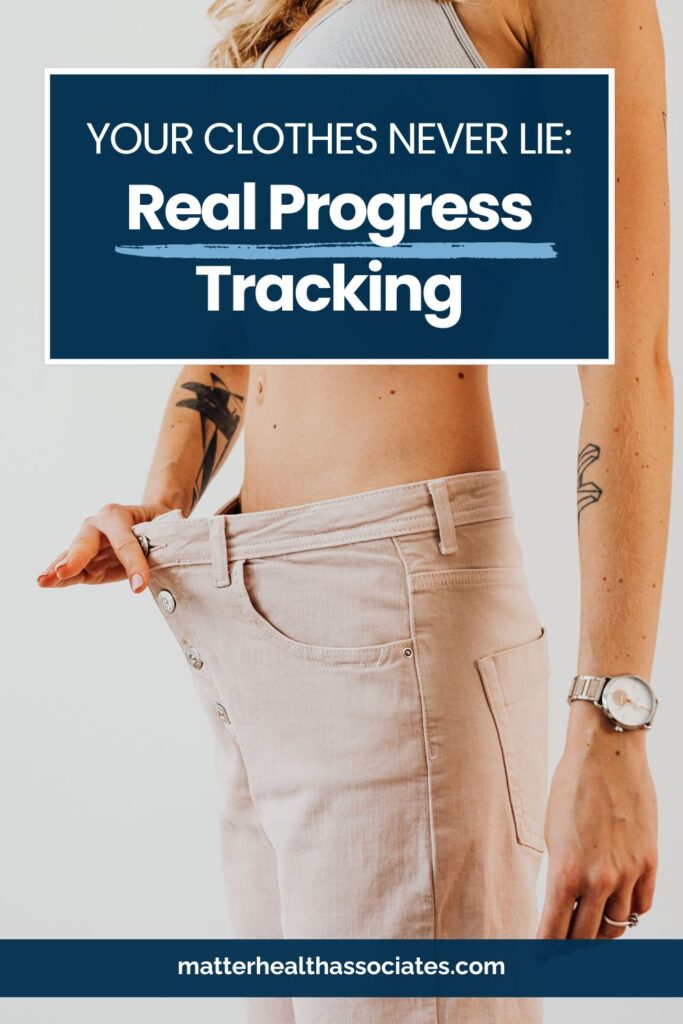
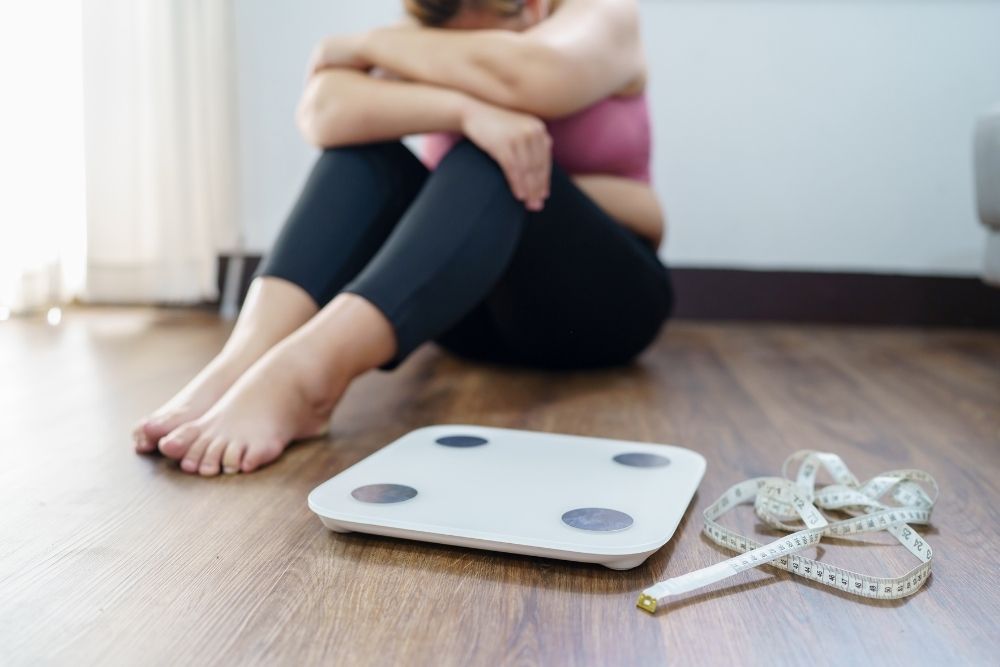
When clients ask whether they should measure weight, body fat, or bioimpedance, my answer is simple: your clothes never lie. Measurements without context are meaningless. I have personally seen my weight increase by ten pounds while my waist dropped two inches.
Relying on a scale can be misleading because your body fluctuates daily due to hydration and natural cycles. Instead, celebrate real-world milestones:
- Slipping into a new pair of jeans.
- Increasing your bar hang time from ten seconds to a minute.
- Walking five miles with perfect form rather than ten miles in a panic.
Focus on Evolution, Not Metrics
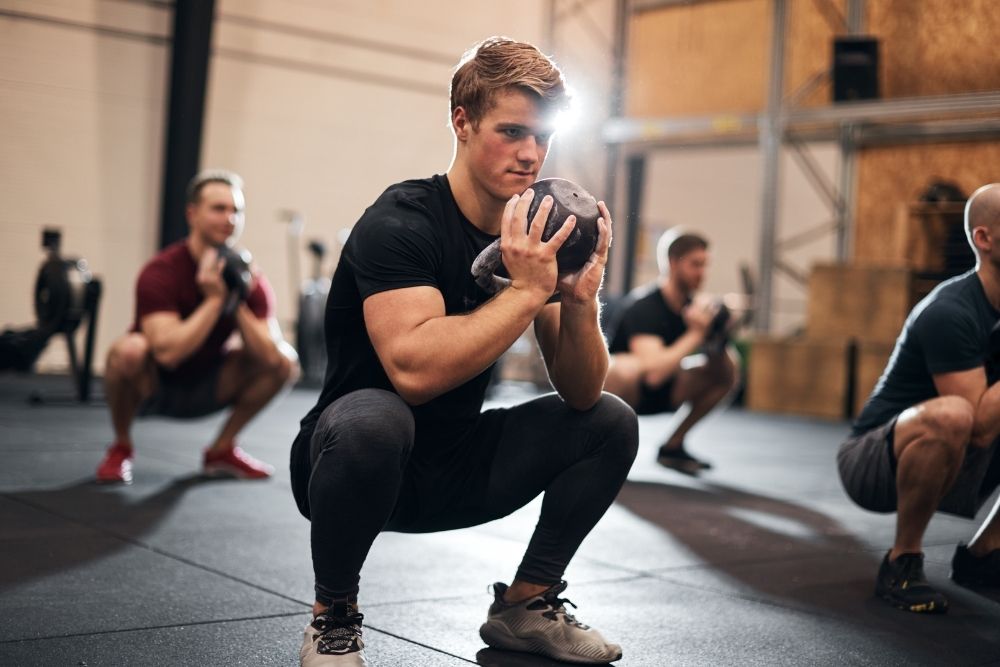
At the end of the day, fitness is about listening to your body and building sustainable habits. Numbers are merely a tool; they are not the goal. Don’t get caught up in the metrics—focus on what your body can do, how it feels, and how it evolves over time. That is where real transformation happens.